BYD is the largest electric vehicle maker in China by volume and the only one that also builds its own batteries at scale. That vertical integration is the whole thesis: it sets the floor on what BYD can charge and the ceiling on what its competitors can survive.
BYD Co NEV units sold by period. Sep 26: 463,561. +17.0% year on year.
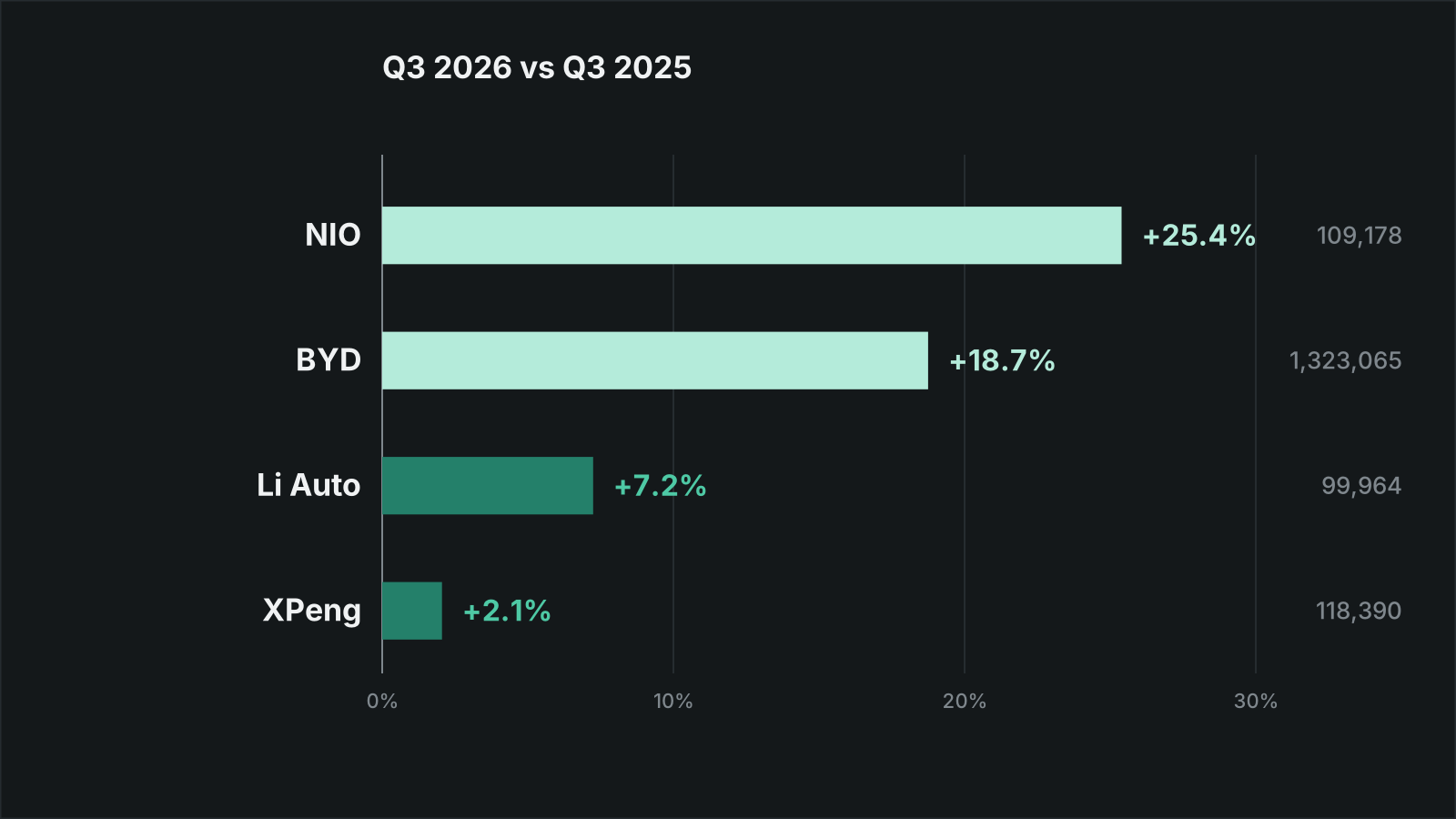
NIO delivered 109,178 vehicles in the third quarter (+25.4%) and BYD sold 1,323,065 (+18.7%). XPeng's 118,390 was up 2.1% and Li Auto's 99,964 up 7.2%. The growth came from NIO's premium brand and BYD's exports.
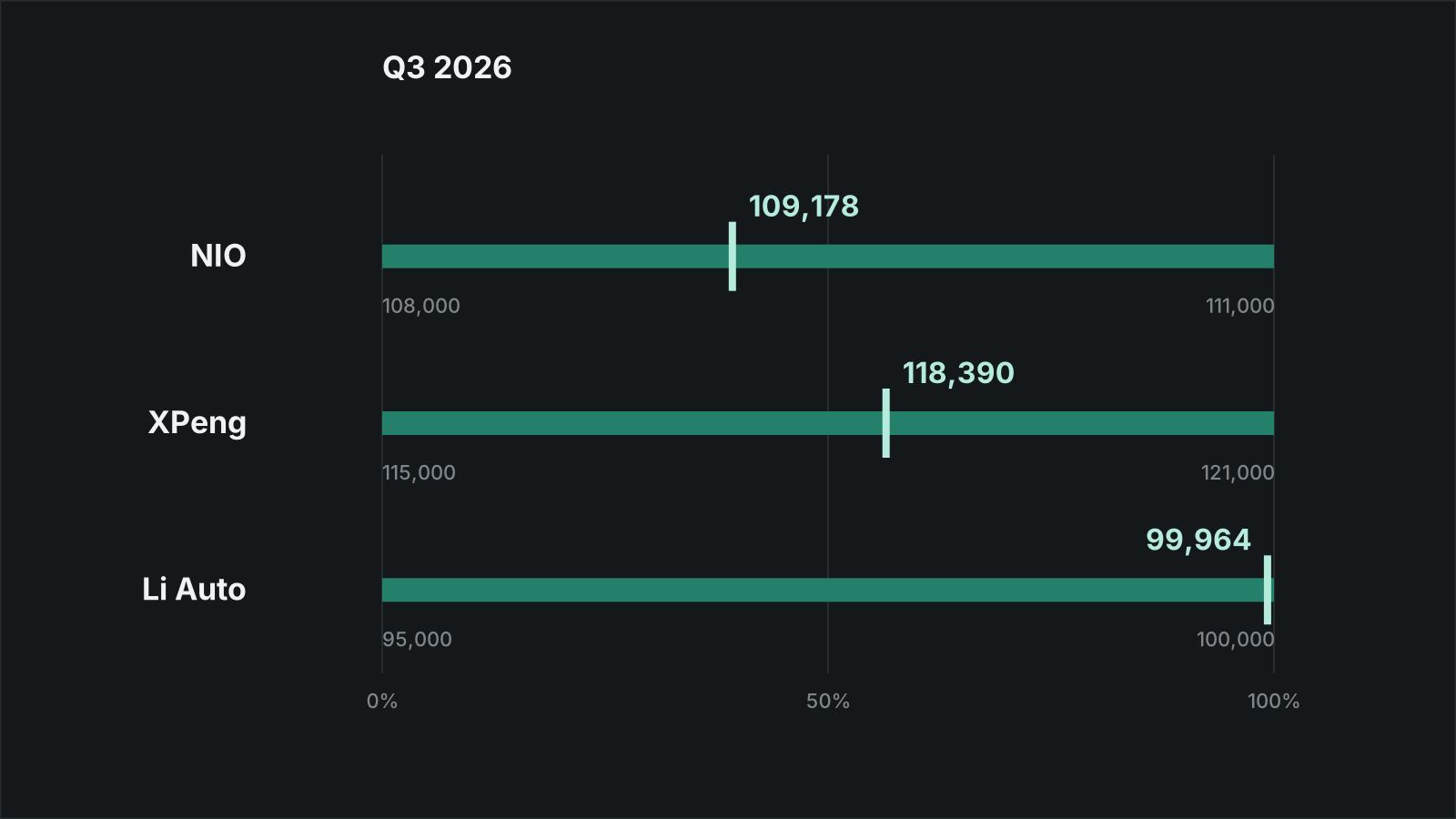
NIO, XPeng and Li Auto each delivered inside the third-quarter range they gave. NIO landed 39.3% of the way up its range, XPeng 56.5%, Li Auto 99.3%. All three set their ranges with part of the quarter already delivered.
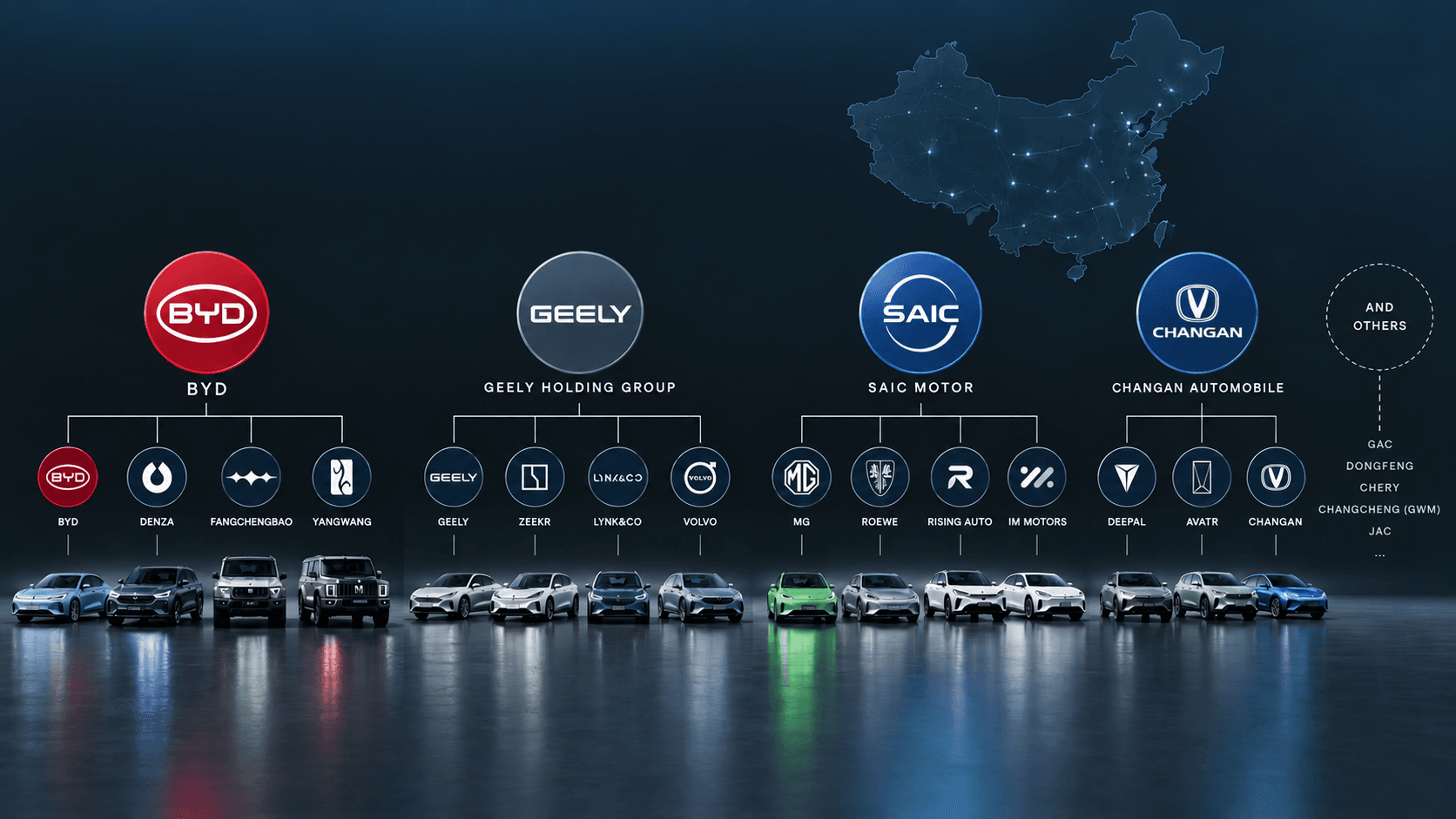
Denza, Yangwang, ONVO, MONA, Zeekr, Lynk & Co, MG, Avatr. Most of the names arriving in Europe belong to seven groups, one of which also owns Volvo, and one phone company that owns no carmaker at all.
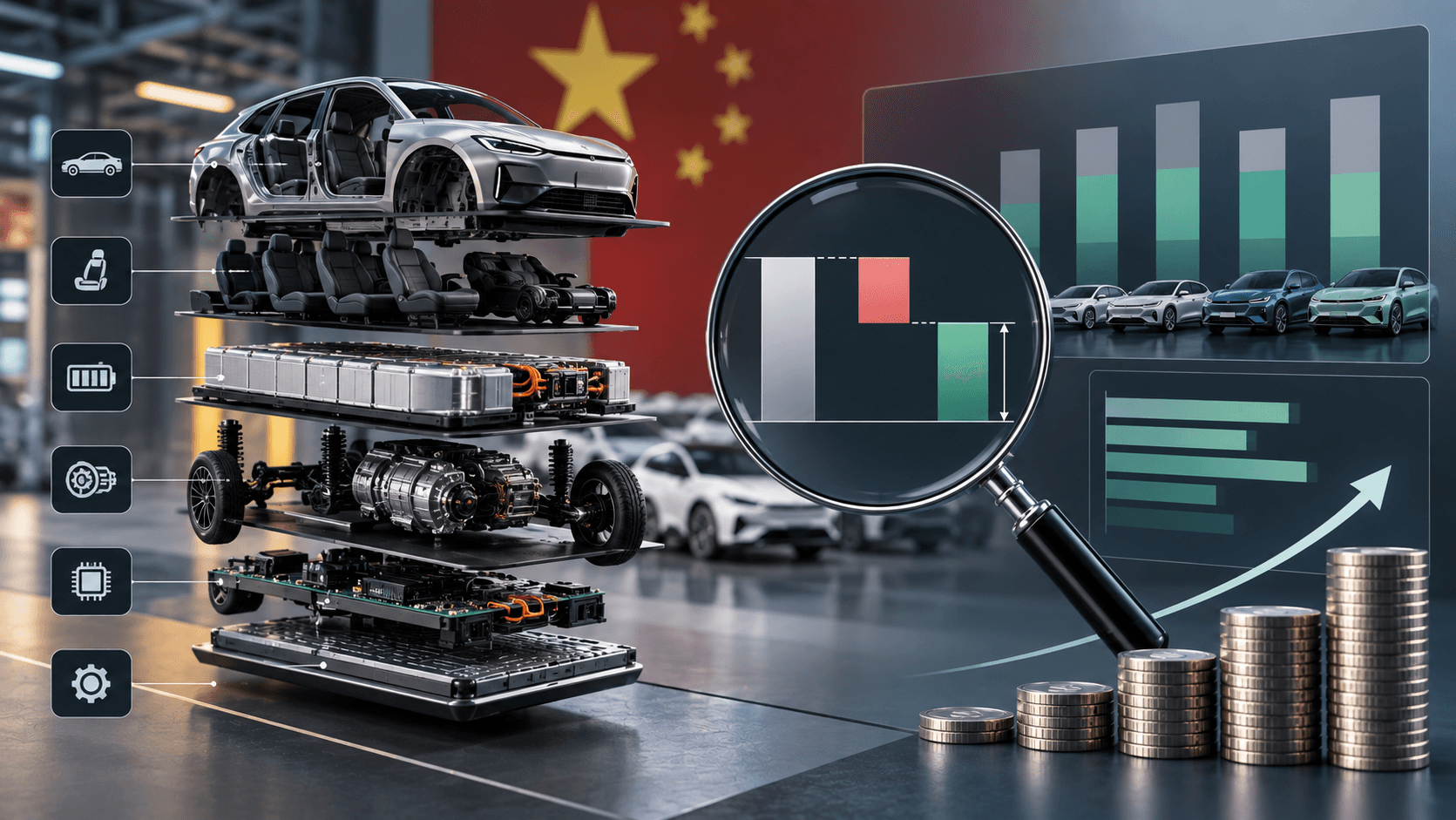
XPeng's gross margin rose from 17.3% to 20.7% over a year in which its cars got less profitable, not more. Both numbers come from the same filing. Here is how that works.
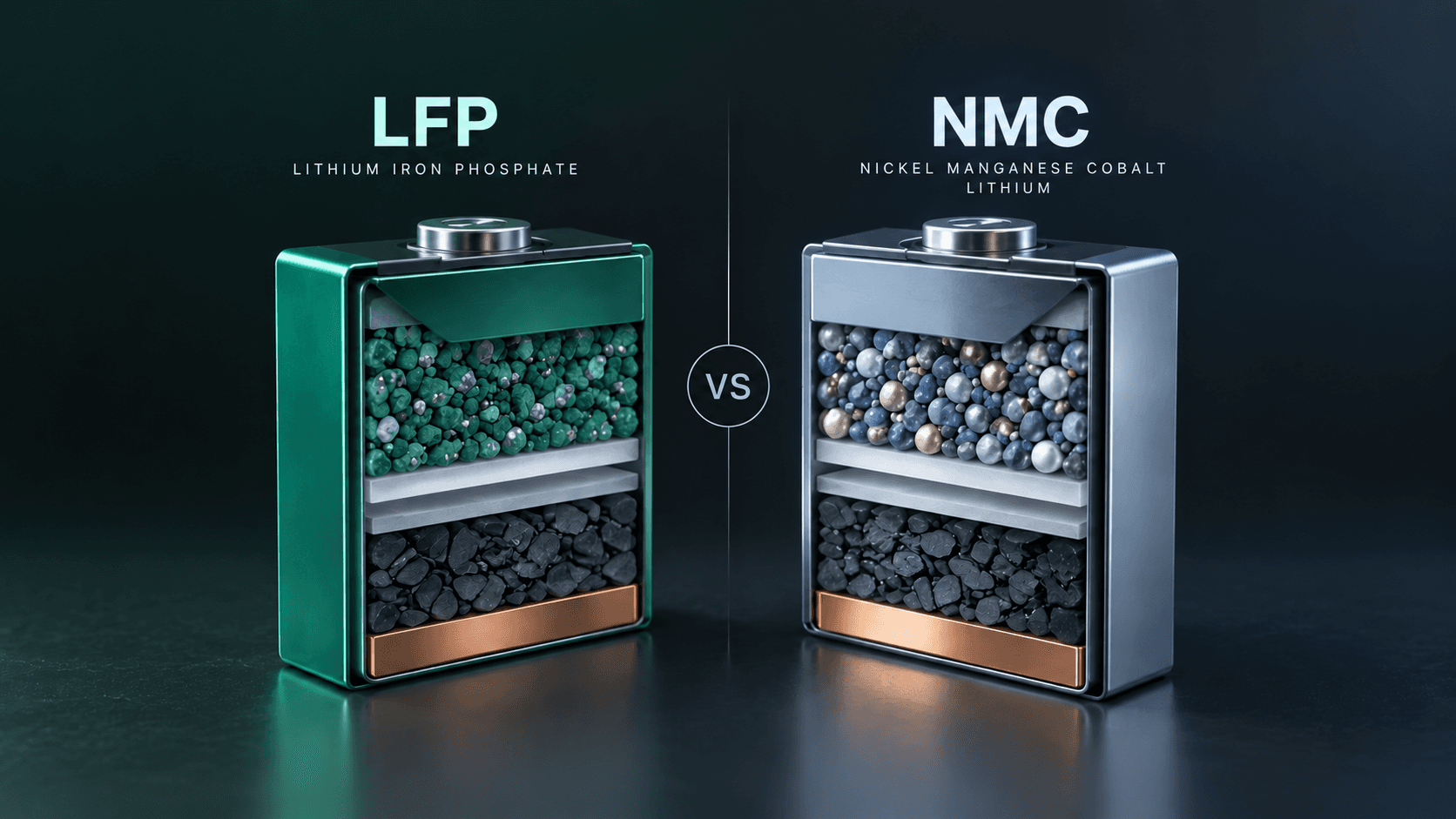
An LFP pack cost $81 per kWh in 2025. The nickel equivalent cost $128. That $47 gap explains most of what has happened to electric car prices, and to the league table of who builds the cells.
12 Sept 2026 · Deep dive · 6 min
Northline Post publishes information and opinion, not investment advice. Nothing here is a recommendation to buy or sell any security. The author may hold positions in companies covered. Disclaimer